
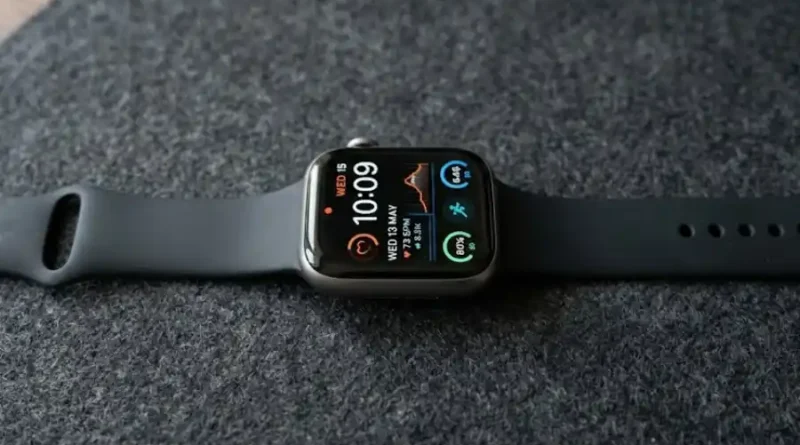
Smartwatch with AMOLED Display: What It Is, How It Works, and Is It Worth Buying?
You are shopping for a smartwatch. You see the words “AMOLED display” on the box. It sounds fancy. But what does it mean? And does it make a real difference in everyday life?
The short answer is yes. It makes a big difference. By the end of this article, you will know exactly what AMOLED is, why it matters on a smartwatch, and how to choose the right one without getting confused or overspending.
What Is an AMOLED Display?
AMOLED stands for Active Matrix Organic Light Emitting Diode. That sounds like a mouthful, but the idea behind it is fairly simple.
On most regular screens, a backlight sits behind the display and lights up the whole screen at once. AMOLED works differently. Each tiny dot on the screen, called a pixel, produces its own light. When a pixel needs to show black, it turns off completely. No light. No glow. Just pure black.
This is why AMOLED screens look so sharp and vivid. The blacks are truly black. Colors pop. Contrast is strong. And because pixels showing black use zero power, AMOLED can also be more battery-friendly than you might expect.
Why Does the Display Matter So Much on a Smartwatch?
Think about how often you look at your smartwatch throughout the day. You check the time. You read a notification. You glance at your heart rate or step count. That small screen on your wrist gets a lot of attention.
If the display is dull, washed out, or hard to read in sunlight, the whole experience falls apart. A great display makes everything clear and easy to read in a quick glance. A poor display makes even simple tasks feel frustrating.
That is why the display is one of the first things you should check when buying a smartwatch. And right now, AMOLED is one of the best display technologies available for smartwatches.
AMOLED vs. LCD: What Is the Real Difference?
Most budget smartwatches use LCD screens. Here is a side-by-side comparison of how the two technologies perform in real life:
- Color quality: AMOLED colors are richer and more vibrant. LCD colors can look flat by comparison.
- Black levels: On AMOLED, black is truly black because the pixel shuts off. On LCD, black looks more like dark grey because the backlight stays on.
- Brightness: AMOLED screens can get extremely bright, making them easier to see outdoors on sunny days.
- Battery life: AMOLED uses less power when displaying dark content. LCD consumes the same energy no matter what is on the screen.
- Always-On Display: AMOLED handles this feature much better. Only a few pixels stay lit, so battery drain is minimal. LCD drains noticeably more with always-on mode.
- Burn-in risk: AMOLED screens can develop faint permanent marks after years of heavy use. LCD screens do not have this issue.
When you put the two side by side, AMOLED wins for everyday use. The visual difference is clear the moment you hold both watches in your hands.
The Big Benefits of a Smartwatch with an AMOLED Display
Here is what you get when you go with an AMOLED smartwatch:
- Stunning visuals: Watch faces, health data, maps, and notifications all look sharp, bright, and easy on the eyes.
- Better readability: High contrast makes it faster and easier to read text, especially during a quick glance.
- Smarter battery use: Pick a dark watch face, and your AMOLED screen will use very little power. This can add extra hours to your battery life throughout the day.
- Always-On Display without heavy battery drain: Many AMOLED smartwatches let you keep the time visible at all times without emptying your battery quickly.
- A premium look on your wrist: AMOLED screens simply look more expensive and polished. They give your smartwatch a high-end appearance that LCD cannot match.
- Enjoyable fitness tracking: Whether you are checking your heart rate, sleep data, or workout stats, everything looks vivid and is easy to read at a glance.
The Downsides Nobody Talks About
To be fair, AMOLED displays are not perfect. Here are a few things worth knowing before you buy:
- Burn-in over time: If the same image stays on screen for very long periods over years of use, it can leave a faint permanent mark. It is rare with normal use, but it is worth knowing.
- Higher price: Smartwatches with AMOLED screens generally cost more than LCD models. You are paying for better technology.
- Outdoor visibility varies by model: Not all AMOLED screens are equally bright. A low-end AMOLED screen might still struggle in direct sunlight. Always check the brightness rating, measured in nits, before buying.
- Battery life depends on your settings: AMOLED saves battery with dark content. But if you use a bright, colorful watch face with always-on display turned on at the same time, expect the battery to drain faster.
These are not dealbreakers. They are just things a smart buyer should know before spending their money.
What to Look for When Buying a Smartwatch with an AMOLED Display
Not every AMOLED smartwatch is worth your money. Use this simple checklist to help you choose wisely:
- Brightness level: Look for at least 500 nits for indoor use. For outdoor use, 1000 nits or more is the sweet spot.
- Resolution: Higher resolution means sharper text and cleaner images. Most good smartwatches offer at least 360 x 360 pixels.
- Screen size: Choose a size that fits your wrist comfortably. Common sizes range from 40mm to 46mm.
- Always-On Display support: If you want to check the time without raising your wrist, confirm that the watch supports this feature.
- Battery life in use: Check what real buyers say in their reviews, not just the number printed on the box.
- Brand reliability: Stick to brands with a strong track record of display quality and software support.
- Phone compatibility: Some smartwatches work best with Android. Others are built for iPhone users. Make sure it pairs smoothly with your phone before buying.
Who Should Buy a Smartwatch with an AMOLED Display?
An AMOLED smartwatch is a great fit if you:
- Want the best-looking screen you can get on your wrist
- Glance at your watch many times throughout the day
- Use fitness tracking regularly and want clear, readable stats
- Love the always-on display feature but do not want it to kill your battery
- Want a smartwatch that looks stylish and premium without going too big
It may not be the right choice if you are on a very tight budget, or if you spend most of your time outdoors in bright sunlight and cannot find a model with high enough brightness for your needs.
Frequently Asked Questions
Is AMOLED better than LCD for a smartwatch?
Yes, in most everyday situations. AMOLED offers better colors, deeper blacks, and smarter battery use with dark watch faces. LCD is more affordable but cannot match AMOLED in visual quality or always-on display performance.
Does an AMOLED display drain the battery faster?
Not necessarily. AMOLED can save battery when you use dark watch faces, because black pixels shut off completely. The drain increases when you use bright, colorful themes with always-on display turned on at the same time.
Can I see an AMOLED smartwatch screen in direct sunlight?
It depends on the brightness level of the specific model. Look for at least 1000 nits of peak brightness for comfortable outdoor visibility. Budget AMOLED screens may still struggle under strong sunlight even though they use AMOLED technology.
Will my AMOLED smartwatch screen burn in?
Burn-in is possible but uncommon with normal use. It typically takes years of heavy, repetitive display patterns before burn-in becomes visible. Switching up your watch face occasionally can help reduce the risk over time.
What is the difference between AMOLED and Super AMOLED?
Super AMOLED is Samsung’s upgraded version of standard AMOLED. It integrates the touch layer directly into the screen, making the display thinner, brighter, and better at handling reflections. Both are excellent choices, but Super AMOLED has a slight edge in overall performance and clarity.
Are budget AMOLED smartwatches worth buying?
Sometimes, yes. Budget AMOLED watches can offer solid visuals at a lower price. However, they may fall short on brightness, long-term software support, or build quality. Always read real user reviews before spending money on a cheaper model.
Choosing a smartwatch with an AMOLED display does not need to be overwhelming. Know what you want from your watch. Use the checklist above to guide your decision. And you will end up with a smartwatch that looks great on your wrist, reads clearly in any light, and keeps serving you well for years to come.