
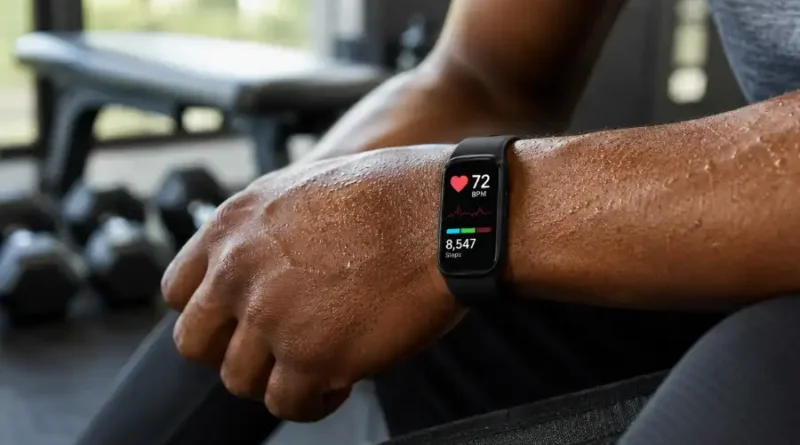
Fitness Tracker with Heart Rate Monitor: How It Works and What to Look For
You have probably seen someone at the gym glance at their wrist mid-workout, nod to themselves, and then either slow down or push harder. That tiny device on their wrist is doing something really powerful. It is reading their heart in real time and telling them how hard their body is working.
That is what a fitness tracker with a heart rate monitor does. And if you are thinking about getting one, this article covers the things worth knowing before you spend a single dollar.
What Is a Fitness Tracker with a Heart Rate Monitor?
A fitness tracker is a small wearable device, usually worn on the wrist, that keeps track of your physical activity. It counts your steps, measures how long you sleep, estimates how many calories you burn, and shows you how active you are each day.
When a fitness tracker also comes with a heart rate monitor, it takes things a step further. It measures how fast your heart is beating all day and all night, even when you are resting, not only during workouts. This gives you a much clearer picture of your overall health and how your body is responding to exercise.
Together, these two tools in one device help you stop guessing and start understanding what is happening inside your body.
How Does the Heart Rate Monitor Work?
Most fitness trackers use a technology called photoplethysmography. That is a complicated word for a simple idea. The sensor on the bottom of the tracker shines a tiny green light through your skin. Your blood absorbs that light. When your heart beats, more blood flows through your wrist, and the amount of light that bounces back changes. The tracker measures those changes and converts them into a heart rate reading.
This method is perfectly fine for everyday use. It gives you a good estimate of your resting heart rate, tracks trends over time, and works well during light to moderate exercise like walking, jogging, or cycling.
However, during very intense exercise like sprinting or heavy weightlifting, wrist-based trackers can sometimes be less accurate. That is because arm movement and changes in blood flow at high intensity can confuse the sensor. Research from the Cleveland Clinic has confirmed that chest strap monitors, which measure the heart’s electrical signals directly, are more accurate during intense activity. But for most beginners and everyday fitness goals, a wrist-based tracker works just fine.
What Are Heart Rate Zones and Why Do They Matter?
This is the part that most fitness tracker articles skip over, and it is also the part that makes the biggest difference for your results.
Your heart rate changes depending on how hard you are working. Researchers have divided these different levels into five zones, each one based on a percentage of your maximum heart rate. Your maximum heart rate is roughly 220 minus your age. So if you are 30 years old, your estimated maximum heart rate is about 190 beats per minute.
Here is what the five zones mean in plain terms:
- Zone 1 (50 to 60 percent): Very easy. Think of a slow walk. Good for warming up or recovering between tough workout days.
- Zone 2 (60 to 70 percent): Easy but steady. This is the fat-burning zone. Your body uses stored fat as fuel here. A brisk walk or easy jog usually puts you here. Health experts say most of your weekly cardio should happen in this zone.
- Zone 3 (70 to 80 percent): Moderate effort. You are breathing harder and sweating more. This is what most people think of as a normal cardio workout.
- Zone 4 (80 to 90 percent): Hard effort. This zone builds speed and endurance. You can only hold a conversation in short sentences here.
- Zone 5 (90 to 100 percent): Maximum effort. Short sprints. You cannot speak at all. This is only sustainable for seconds or a couple of minutes.
Without a heart rate monitor, you are just guessing which zone you are in. With one, you can see clearly where your body is working and whether you are pushing too hard or not hard enough to reach your goals.
Wrist Tracker vs. Chest Strap: Which One Is Right for You?
When shopping for heart rate monitoring, you will come across two main options.
Wrist-based fitness trackers are the most popular choice. They are easy to wear all day, comfortable during sleep, convenient, and do not require any extra setup. Brands like Fitbit, Garmin, and Apple make popular models. They work well for general wellness tracking, daily step counting, sleep monitoring, and moderate workouts.
Chest strap monitors wrap around your chest and use electrode sensors to read the heart’s electrical activity, the same way a medical electrocardiogram does. They are significantly more accurate, especially during high-intensity training. If you are training for a race, working in very specific heart rate zones, or have a heart condition that requires careful monitoring, a chest strap gives you data you can truly trust.
For most beginners, a wrist-based fitness tracker is the better starting point. It is easier to use, more comfortable to wear, and accurate enough for everyday fitness goals. You can always add a chest strap later if your training gets more serious.
What to Look for Before You Buy
Walk into any electronics store or open any shopping website and you will find hundreds of options. Here is how to cut through the noise and find what really matters.
- Continuous heart rate monitoring: Make sure the tracker reads your heart rate throughout the day, including when you are not exercising. This is important for tracking resting heart rate trends, which are a strong indicator of overall health.
- Battery life: Budget trackers might last three to five days. Premium ones can last one to two weeks. Think about how often you want to charge a device.
- Sleep tracking: A good tracker should monitor how long you sleep and ideally break it into light, deep, and REM stages. Sleep data, when combined with heart rate data, gives you a much fuller picture of your recovery.
- Water resistance: Look for at least a 5 ATM water resistance rating. This means it can handle showers and swimming without any issues.
- The app experience: The tracker is only as useful as the app it connects to. Before buying, check reviews of the companion app. An accurate tracker paired with a confusing app will quickly end up in a drawer.
- Budget: You do not need to spend a lot of money to get a capable tracker. Solid options exist in the fifty to one hundred dollar range. Features like GPS, ECG capability, and advanced health sensors push the price higher, but beginners rarely need all of that.
Common Mistakes Beginners Make with Fitness Trackers
One of the most common mistakes is wearing the tracker too loosely. For the optical heart rate sensor to work correctly, it needs to sit snugly against your skin, about one finger-width above your wrist bone. A loose fit leads to inaccurate readings every time.
Another mistake is obsessing over every single number. Fitness trackers give you estimates, not laboratory measurements. Use the data to spot trends over days and weeks, not to analyze every individual reading.
Many beginners also ignore their resting heart rate. This one number, measured while you are calm and still, tells you a lot about your cardiovascular health over time. As you get fitter, your resting heart rate tends to drop. Tracking this trend is one of the most motivating things a fitness tracker can show you.
Finally, do not skip rest days just because your tracker shows low activity. Your body needs recovery time. Some of the best trackers will even tell you when your body needs rest based on your heart rate data. Listen to it.
Frequently Asked Questions
Is a fitness tracker with a heart rate monitor accurate enough for medical use?
No. Consumer fitness trackers are wellness devices, not medical ones. They are not approved to diagnose heart conditions. If you have concerns about your heart health, always speak with a doctor who can use certified medical equipment.
Can a fitness tracker help with weight loss?
Yes, indirectly. It helps you stay in the right heart rate zones for fat burning, tracks your daily activity levels, and shows calorie estimates. It also keeps you motivated and accountable. But it works best when paired with a healthy diet and consistent habits.
How do I know which heart rate zone to train in?
It depends on your goal. If you want to build a strong base and burn fat, spend most of your workout time in Zone 2. If you want to improve speed and endurance, add some Zone 4 sessions each week. Most experts recommend spending about 80 percent of your training time in the lower zones and 20 percent in the harder zones.
Do I need to wear my fitness tracker to bed?
You do not have to, but sleeping with it gives you sleep tracking data and a resting heart rate reading, both of which add valuable information to your overall health picture. Most modern trackers are lightweight and comfortable enough to wear overnight without any issues.
What is a normal resting heart rate?
For most healthy adults, a resting heart rate between 60 and 100 beats per minute is considered normal. Athletes and people with strong cardiovascular fitness often have resting heart rates in the 40s or 50s. The lower end of the normal range generally indicates a more efficient heart.