
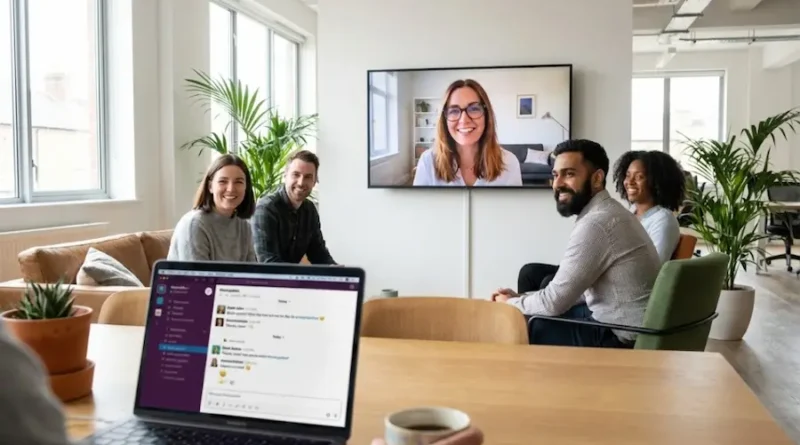
How Does Information Technology Bring Employees Closer to Upper Management?
Remember the old days when talking to your CEO felt like trying to meet the President? You’d have to go through three assistants, wait for weeks, and probably send a formal letter written on fancy paper!
Well, those days are pretty much gone now. And you know what changed everything? Technology.
Today, I want to talk about something really cool: how simple tech tools are breaking down those scary office walls between regular employees and the big bosses upstairs.
The Old Way vs. The New Way
Let me paint you a picture first.
Ten years ago: If you had a great idea at work, you’d tell your supervisor. Your supervisor would tell their manager. That manager would tell another manager. And maybe, just maybe, someone would mention it to the CEO in a monthly meeting. By then, your idea probably got changed five times or forgotten completely!
Today: You open Slack, type your idea, tag your CEO, and boom. They see it. They reply. Done.
Crazy difference, right?
So How Does Technology Do This Magic?
Let me break it down in simple ways you can understand (no boring business talk, I promise).
1. Instant Messaging Apps Make Everyone Equal
Think about apps like Slack, Microsoft Teams, or even WhatsApp for work.
What’s beautiful about them: when you send a message, it doesn’t care if you’re sending it to your desk neighbor or the company president. Everyone’s just a name with a profile picture.
I once worked at a company where our CEO would randomly jump into different chat channels and joke around with people. One time, someone shared a funny meme about Monday mornings, and guess who replied with laughing emojis? Yep, the CEO.
That small moment made everyone feel like, “Hey, the boss is human too!”
Why this matters: When upper management feels approachable online, employees aren’t scared to speak up. And when employees speak up, companies get better ideas.
2. Video Calls Destroyed Geographic Barriers
Before video calling became normal, if your boss worked in another city, you’d probably never really “know” them. Maybe you’d see them twice a year at some boring company event.
Now? You can have face-to-face conversations with anyone, anywhere, anytime.
During the pandemic, something interesting happened. CEOs started doing weekly video calls with their teams. People saw their bosses sitting in their home offices, sometimes with a cat walking across the screen or a kid shouting in the background.
Suddenly, these “untouchable” executives became real people.
The connection factor: Seeing someone’s face while talking creates trust. And trust brings people closer, no matter what their job title says.
3. Company-Wide Email Updates (That People Read)
Okay, I know what you’re thinking: “Email? That’s not new technology!”
You’re right, but what changed is HOW companies use email now.
Smart leaders send regular updates directly to everyone. Not boring 10-page reports, but quick, friendly emails that say stuff like:
“Hey team! Just wanted to share some exciting news about our new project. What’s happening and why it matters to you…”
When a CEO or VP takes time to write directly to employees (instead of making someone else do it), people notice. They feel included. They feel valued.
Pro tip for managers reading this: If you want your team to feel connected to you, send a personal email once in a while. Skip the corporate jargon. Just be yourself.
4. Internal Social Networks Create “Water Cooler” Moments
Many companies now have their own internal social networks (kind of like Facebook, but just for employees).
People post updates, share wins, celebrate birthdays, and yes, even executives participate.
I’ve seen company presidents post about their weekend hiking trips or share book recommendations. When employees comment and interact, something magical happens: the invisible wall disappears.
Why it works: Social platforms make hierarchy less obvious. Everyone’s just scrolling, posting, and commenting together.
5. Project Management Tools Show Everyone’s Working on the Same Team
Tools like Asana, Trello, or Monday.com let everyone see what everyone else is doing.
What’s cool: when you can see that your CEO is also checking off tasks and working toward deadlines (just like you), it creates a sense of unity.
You realize, “Oh, we’re all just trying to get stuff done here.”
The psychological shift: When work becomes transparent, employees stop thinking of upper management as mysterious figures who just attend meetings all day. They see them as teammates.
6. Feedback Tools Give Employees a Real Voice
Remember when “employee feedback” meant filling out a form once a year that nobody probably read?
Now, companies use tools like pulse surveys, suggestion boxes (digital ones), and feedback apps that get checked regularly.
Some companies even use platforms where employees can ask questions anonymously, and executives answer them in real-time during online meetings.
What this does: Employees feel heard. And when people feel heard, they feel closer to their leaders.
7. Virtual Town Halls Bring Everyone Together
Instead of renting a huge auditorium once a year for an “all-hands meeting,” companies now do virtual town halls monthly or even weekly.
Everyone logs in from their desk (or couch), the CEO talks about what’s happening, and people can ask questions through the chat.
The best part? You can ask your question without standing up in front of 500 people. Way less scary!
Comfort factor: Technology makes it easier for shy or introverted employees to participate and connect with leadership.
8. Learning Platforms Create Shared Experiences
When companies use online learning platforms, something interesting happens: everyone learns together.
A junior employee might take the same leadership course as a senior VP. They might even end up in the same discussion forum, sharing ideas as equals.
The leveling effect: Education is a great equalizer. When people learn side by side, titles matter less.
9. Recognition Tools Make Appreciation Public
Some companies use platforms where anyone can give anyone else a “shout-out” or “kudos” for good work.
And the best part: when a CEO gives you public recognition through these tools, it feels amazing. And when you see your CEO giving recognition to your coworkers, you realize they’re paying attention.
Motivation increase: Public appreciation from upper management creates emotional connections that emails alone can’t build.
10. Data Dashboards Make Information Democratic
When important company numbers (sales, goals, progress) are available on shared dashboards that everyone can see, it removes the mystery.
Employees aren’t left wondering, “How are we doing?” They can just look and see for themselves.
Transparency builds trust: When leaders share information openly, employees trust them more. And trust brings people closer.
But the Real Secret Is…
Technology alone doesn’t bring people closer. It’s how people USE the technology that matters.
You could have every fancy tool in the world, but if your CEO never logs into the chat app or never responds to employee messages, nothing changes.
The real magic happens when upper management decides to be present, approachable, and genuine through these digital channels.
Research from Harvard Business Review shows that when leaders communicate more frequently and transparently with their teams, employee engagement goes up significantly. It’s not rocket science, but it does require commitment.
The Bottom Line
Information technology has turned the traditional office pyramid upside down (in a good way).
It’s removed the gatekeepers, shortened the communication chains, and made bosses feel less like untouchable figures and more like real human beings.
Whether it’s a quick Slack message, a casual video call, or a CEO replying to your comment on the company social network, these small digital interactions add up.
They create relationships. They build trust. They make everyone feel like they’re part of the same team, working toward the same goals.
And honestly? That’s pretty amazing when you think about it.
What This Means for You
If you’re an employee wondering how to connect with upper management, don’t be afraid to use these tools! Send that message, ask that question, share that idea.
If you’re a manager or executive reading this, remember: your team is watching. The more you show up authentically in these digital spaces, the more your people will feel connected to you and to the company’s mission.
According to workplace studies, employees who feel connected to their leadership are three times more likely to stay with their company long-term. That connection doesn’t happen by accident, it happens through consistent, genuine communication.
Technology gave us the bridge. Now we just need to walk across it.
So next time you send a quick message to someone three levels above you in the company and they respond, take a moment to appreciate how wild that is. Twenty years ago, that conversation would’ve been basically impossible.
Technology didn’t just change how we work. It changed how we connect, how we communicate, and how we build relationships at work.
And that’s something worth celebrating.
What do you think? Has technology made you feel closer to your company’s leadership, or is there still a long way to go? Either way, the door’s more open now than it’s ever been.