
10.24.1.53 Router Login: How to Access Your Router Settings in 5 Minutes
Hey there! So you found this weird number “10.24.1.53” somewhere on your router or internet settings, right? And now you’re wondering what the heck it is and what you should do with it.
Don’t worry! I’m going to explain everything in the simplest way possible. No confusing tech words, I promise.
What is 10.24.1.53?
Think of 10.24.1.53 like a home address, but for your router.
Just like your house has a street address so people can find it, your router has an IP address so your computer can find it on your home network.
Here’s the simple version:
- Your router is like the boss of your home internet
- 10.24.1.53 is the address you type to talk to that boss
- Once you reach this address, you can change WiFi passwords, see who’s connected, and fix internet problems
Fun fact: Not everyone has this exact address. Some people have 192.168.1.1 or 192.168.0.1. It depends on your router brand and settings.
Why Would You Need to Access 10.24.1.53?
Good question! Here are the most common reasons:
1. Change Your WiFi Password Maybe you think someone is stealing your internet. Or you just want a stronger password. You’ll need to go to 10.24.1.53 to change it.
2. See Who’s Using Your Internet Ever felt like your internet is super slow? You can check if too many devices are connected.
3. Fix Internet Connection Problems Sometimes your internet acts weird. Going into router settings can help you restart things or change settings.
4. Set Up Parental Controls Want to control what websites your kids can visit? You can do that here.
5. Make Your Internet Faster You can change some settings to get better speed and performance.
How to Access 10.24.1.53 (Step by Step)
Okay, here’s the easy part. Just follow these simple steps:
Step 1: Connect to Your WiFi
First things first. Make sure your computer or phone is connected to your home WiFi network. If you’re not connected, this won’t work.
Step 2: Open Your Browser
Open any web browser. Could be Chrome, Firefox, Safari, or whatever you use. Doesn’t matter which one.
Step 3: Type the IP Address
In the address bar at the top (where you normally type website names), type this:
10.24.1.53
Then press Enter.
Important tip: Don’t type it in Google search. Type it directly in the address bar where you put website addresses.
Step 4: Enter Username and Password
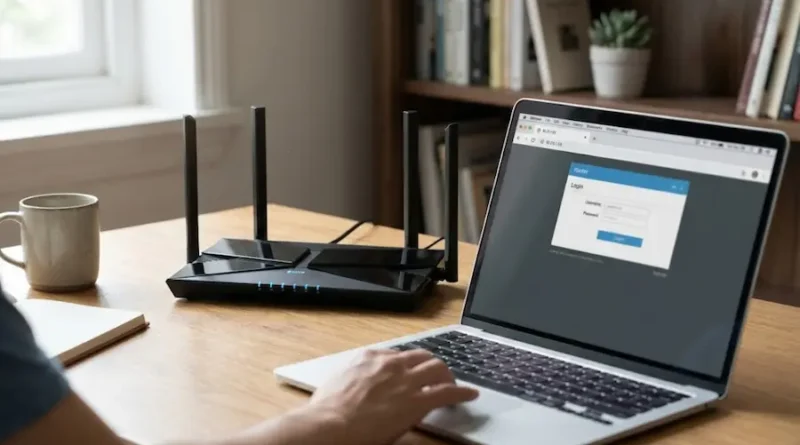
Now you’ll see a login page asking for a username and password.
Common default logins are:
- Username: admin / Password: admin
- Username: admin / Password: password
- Username: admin / Password: 1234
- Sometimes the password is written on a sticker on your router
Can’t find it? Check the bottom or back of your router. There’s usually a sticker with the login info.
Step 5: You’re In!
Congratulations! You’re now inside your router settings. You can change whatever you need.
What If 10.24.1.53 is Not Working?
Sometimes things don’t work smoothly. Here are quick fixes:
Problem 1: Page Won’t Load
Try this:
- Check if you typed the address correctly (no spaces, no mistakes)
- Make sure you’re connected to YOUR home WiFi, not mobile data
- Try a different browser
- Restart your router (unplug it, wait 30 seconds, plug it back)
Problem 2: Wrong Username or Password
Try this:
- Check the sticker on your router again
- Try common passwords: admin, password, 1234
- If you changed it before and forgot, you might need to reset your router (there’s a small reset button, hold it for 10 seconds)
Problem 3: Different IP Address
Maybe your router doesn’t use 10.24.1.53. Here’s how to find YOUR router’s address:
For Windows:
- Press Windows key + R
- Type “cmd” and press Enter
- Type “ipconfig” and press Enter
- Look for “Default Gateway” (that’s your router’s address)
For Mac:
- Click the Apple menu
- Go to System Preferences
- Click Network
- Your router address is next to “Router”
For Phone (iPhone/Android):
- Go to WiFi settings
- Tap on your connected WiFi name
- Look for “Router” or “Gateway” (that’s the address)
Common Things You Can Do Inside Router Settings
Once you’re logged in at 10.24.1.53, here’s what you can do:
Change WiFi Name and Password
Look for “Wireless Settings” or “WiFi Settings.” You can change your network name and password here. Make your password strong (mix of letters, numbers, and symbols).
Check Connected Devices
Go to “Device List” or “Connected Devices.” You’ll see every phone, laptop, TV, and gadget using your internet. If you see something weird, you can block it.
Restart Your Router
Look for “Reboot” or “Restart” option. This is helpful when internet is acting slow.
Update Router Software
Sometimes routers need updates, just like your phone. Look for “Firmware Update” and follow the instructions. If you’re not sure how firmware updates work, the <a href=”https://www.fcc.gov/consumers/guides/cybersecurity-home-router” target=”, blank” rel=”nofollow”>FCC has a helpful guide on router security</a> that explains why these updates matter.
Change WiFi Channel
If your internet is slow because neighbors are using the same channel, you can switch to a less crowded one. Look for “Wireless Channel” settings.
Safety Tips (Super Important!)
Before I let you go, here are some safety tips:
1. Change the Default Password If your router still has “admin” as the password, CHANGE IT immediately. That’s like leaving your front door unlocked.
2. Don’t Share Your Router Login This is different from your WiFi password. Keep your router login private. Only you should have access.
3. Be Careful What You Change If you see settings you don’t understand, don’t just randomly change them. You might break your internet connection.
4. Write Down Changes If you change something, write it down. You might need to remember it later.
5. Update Regularly Keep your router’s software updated. It helps protect you from hackers. The <a href=”https://www.cisa.gov/secure-our-world/protect-your-home-wifi” target=”, blank” rel=”nofollow”>U.S. Cybersecurity agency recommends</a> checking for updates at least once every few months.
Quick Troubleshooting Guide
Here’s a super quick reference for common problems:
Internet is slow:
- Restart your router
- Check how many devices are connected
- Change WiFi channel
- Move router to a better location
Can’t connect to WiFi:
- Check if you’re typing the password correctly
- Restart your device and router
- Forget the network and reconnect
Forgot router password:
- Check the router sticker
- Try default passwords (admin, password, 1234)
- Reset router as last option (this erases all settings)
Someone is stealing internet:
- Change your WiFi password immediately
- Check connected devices list
- Enable MAC address filtering for extra security
Final Thoughts
Look, I know all this router stuff can feel complicated at first. But honestly, once you do it one time, it becomes super easy.
10.24.1.53 is just your router’s address. It’s like knocking on your router’s door to ask it to change some settings.
Most people never bother learning this stuff. But now you know! You can fix your own internet problems, change your WiFi password whenever you want, and keep your network safe.
Pretty cool, right?
One last tip: Bookmark this page. Next time you need to access your router, you’ll have all the steps right here.
Got questions? That’s totally normal! Router settings can be confusing. But take it slow, follow the steps, and you’ll be fine.
You got this!
Quick Summary (For People in a Hurry)
- 10.24.1.53 is your router’s IP address
- How to access: Type it in your browser’s address bar
- Login: Usually “admin” for both username and password (check router sticker)
- Why access it: Change WiFi password, see connected devices, fix internet issues
- If it doesn’t work: Check if you’re on the right network, try different browser, or find your router IP using “ipconfig” command
- Stay safe: Change default passwords and don’t randomly change settings you don’t understand
That’s it! You’re now a router settings expert. Go ahead and take control of your home internet!